

As a supplier of Net Racks, I've encountered numerous inquiries from customers regarding the compatibility of different brands of networking equipment within a Net Rack. This topic is of utmost importance as it directly impacts the performance, reliability, and overall efficiency of a network infrastructure. In this blog post, I'll delve into the potential compatibility issues that may arise when using diverse brands of networking equipment in a Net Rack and offer some practical solutions.
Understanding the Basics of Net Racks and Networking Equipment
Before we explore the compatibility issues, let's briefly understand what a Net Rack is and the types of networking equipment commonly installed in it. A Net Rack, such as the ones available at roof basket net, is a standardized frame used to organize and house various networking devices. These devices can include routers, switches, servers, firewalls, and network interface cards (NICs). Each piece of equipment plays a crucial role in the network, and their seamless integration is essential for optimal performance.
Potential Compatibility Issues
1. Physical Compatibility
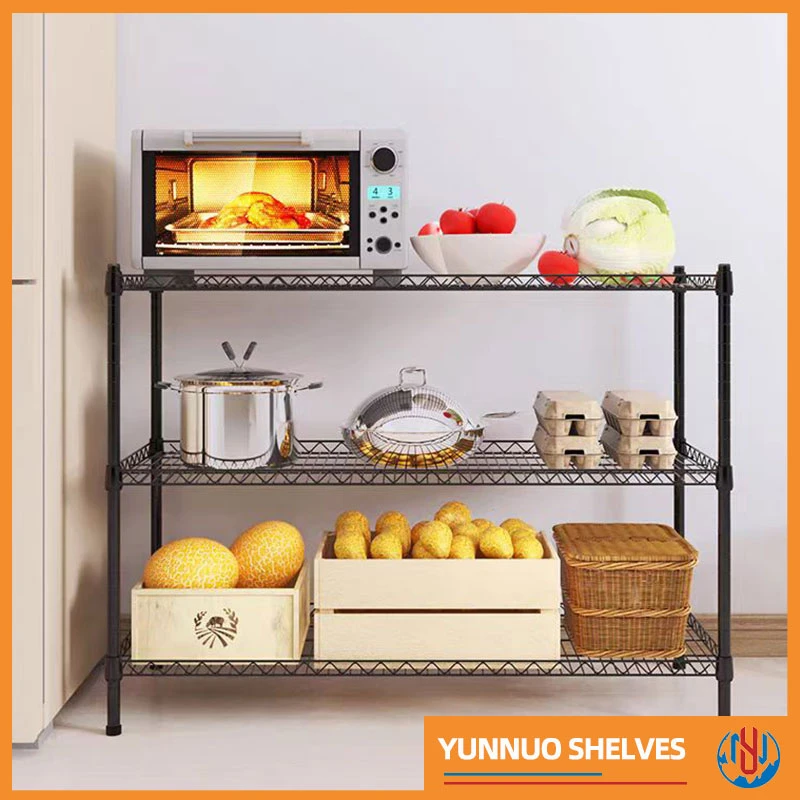
One of the most obvious compatibility issues is physical. Different brands of networking equipment may have varying form factors, dimensions, and mounting mechanisms. For example, a router from Brand A might have a different depth or width compared to a switch from Brand B. This can lead to difficulties in fitting the devices into the Net Rack properly. Some racks, like the 3 Tier Mesh Shelf, are designed to accommodate a wide range of equipment sizes, but it's still important to check the specifications of each device before installation.
Moreover, the mounting holes and brackets on the equipment may not align with the rack's mounting rails. This can result in a loose or unstable installation, which not only affects the physical integrity of the setup but also increases the risk of damage to the devices. To mitigate this issue, it's advisable to choose a Net Rack that offers adjustable mounting rails and universal mounting options.
2. Electrical Compatibility
Electrical compatibility is another critical aspect. Different brands of networking equipment may have different power requirements, voltage ratings, and power consumption levels. Connecting devices with incompatible power specifications to the same power source in the Net Rack can lead to overloading, power surges, or even equipment failure.
For instance, a high - end server may require a higher voltage and more power compared to a basic network switch. If they are connected to the same power strip without proper consideration, the power strip may not be able to supply sufficient power to all the devices, or it may be overloaded, causing it to trip or malfunction. To address this, it's essential to calculate the total power consumption of all the devices in the Net Rack and use a power distribution unit (PDU) that can handle the load. Additionally, ensure that the PDU has the appropriate voltage output for all the connected devices.
3. Protocol and Software Compatibility
Networking equipment communicates using various protocols and software. Different brands may implement these protocols differently or use proprietary software that is not compatible with other brands' devices. This can lead to communication issues, such as slow data transfer speeds, dropped connections, or even complete network outages.

For example, a router from one brand may use a different version of the Border Gateway Protocol (BGP) compared to a router from another brand. When these routers are connected in the same network within the Net Rack, they may not be able to exchange routing information correctly, resulting in routing loops or incorrect traffic forwarding. To overcome this, it's important to ensure that all the networking equipment supports the same set of protocols and that the software versions are compatible. Regular software updates can also help to resolve compatibility issues and improve the overall performance of the network.
4. Cooling Compatibility
Proper cooling is essential for the longevity and performance of networking equipment. Different brands of devices may generate different amounts of heat, and their cooling requirements may vary. If the Net Rack's cooling system is not designed to handle the heat output of all the devices, it can lead to overheating, which can cause equipment failure and reduce the lifespan of the devices.
Some high - performance servers may require more powerful cooling fans or liquid cooling systems, while other devices may have lower heat generation and can be cooled with standard rack - mounted fans. When mixing different brands of equipment in a Net Rack, it's necessary to assess the heat output of each device and ensure that the cooling system in the rack is sufficient to maintain an optimal operating temperature.
Solutions to Compatibility Issues
1. Thorough Research and Planning
Before purchasing and installing networking equipment in a Net Rack, conduct thorough research on the compatibility of different brands. Read product specifications, user manuals, and online reviews to understand the physical, electrical, protocol, and cooling requirements of each device. Create a detailed plan that includes the layout of the equipment in the rack, the power distribution, and the cooling strategy.
2. Consultation with Experts
If you're unsure about the compatibility of different brands of networking equipment, consult with networking experts or the technical support teams of the equipment manufacturers. They can provide valuable insights and recommendations based on their experience and knowledge. You can also seek the advice of a professional network installer who can assess your specific requirements and help you choose the right combination of equipment and Net Rack.
3. Testing and Monitoring
Once the equipment is installed in the Net Rack, conduct thorough testing to ensure that all the devices are working together smoothly. Monitor the performance of the network, including data transfer speeds, connection stability, and device temperatures. Use network monitoring tools to detect any potential compatibility issues early and take appropriate action to resolve them.
Conclusion
In conclusion, while there are potential compatibility issues when using different brands of networking equipment in a Net Rack, these issues can be effectively managed with proper planning, research, and testing. As a Net Rack supplier, I understand the importance of providing customers with the right information and solutions to ensure a seamless integration of networking equipment.
If you're in the process of setting up a network infrastructure or looking to upgrade your existing Net Rack, I encourage you to reach out to me. I can assist you in selecting the most suitable Net Rack and provide guidance on choosing compatible networking equipment. Let's work together to build a reliable and efficient network that meets your business needs.
References
- Networking Equipment Manufacturer's Guides and Manuals
- Industry Standards and Best Practices for Network Infrastructure
- Technical Articles and Research Papers on Network Compatibility