

Long vegetables, such as cucumbers, carrots, and celery, are a staple in many diets around the world. However, storing them can be a challenge, especially if you have limited space. As a vegetable rack supplier, I've seen firsthand the importance of proper storage solutions for long vegetables. In this blog post, I'll share some tips on how to arrange long vegetables on a vegetable rack to keep them fresh and organized.
Understanding the Needs of Long Vegetables
Before we dive into the arrangement techniques, it's crucial to understand the basic needs of long vegetables. Most long vegetables require a cool, dry, and well - ventilated environment to stay fresh. Exposure to excessive moisture can lead to mold growth, while too much heat can cause them to wilt or spoil quickly. Additionally, long vegetables are often fragile and can be easily damaged if not stored properly.
Choosing the Right Vegetable Rack
The first step in arranging long vegetables is to select the appropriate vegetable rack. There are various types of vegetable racks available in the market, each with its own features and benefits.
For small kitchens or limited storage spaces, a 1 Tier Vegetable Rack can be a great option. It provides a single level of storage, which is ideal for keeping a small quantity of long vegetables organized.
If you have a larger collection of long vegetables or need more storage capacity, a 2 tier onion basket might be more suitable. The two - tier design allows you to separate different types of long vegetables or create different storage zones.
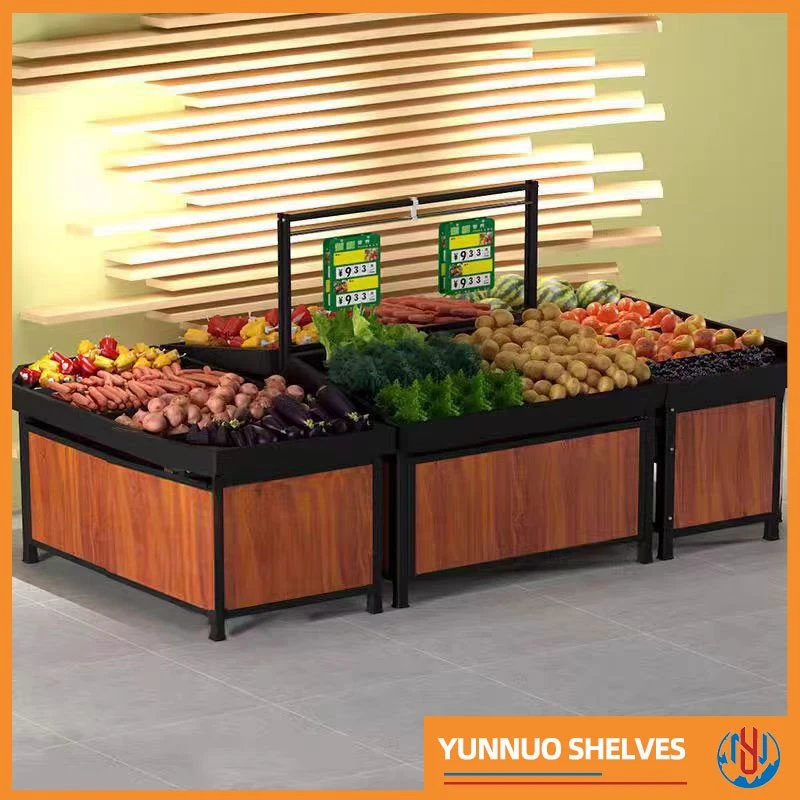

Arrangement Techniques
Grouping by Type
One of the simplest and most effective ways to arrange long vegetables on a vegetable rack is to group them by type. This makes it easier to find what you need and also helps to keep similar vegetables together, which can be beneficial for their storage requirements. For example, you can group all the cucumbers in one section, carrots in another, and celery in a separate area.
Vertical Storage
Long vegetables are well - suited for vertical storage. Instead of laying them flat on the rack, stand them upright. This not only saves space but also helps to prevent bending and damage. You can use dividers or compartments on the vegetable rack to keep the vegetables standing upright. For instance, if you have a 2 - tier onion basket, you can create vertical dividers using cardboard or plastic partitions to hold the long vegetables in place.
Utilizing Different Levels
If you're using a multi - tiered vegetable rack like the 2 - tier onion basket, make the most of the different levels. Place heavier and bulkier long vegetables on the lower tier. For example, large carrots or parsnips can be stored on the bottom tier, as they are less likely to be affected by being stacked on top of each other. The upper tier can be used for more delicate long vegetables, such as asparagus or green beans, which are more prone to damage.
Rotating Stock
To ensure that your long vegetables stay fresh, it's important to practice stock rotation. Place newly purchased vegetables at the back of the rack and move the older ones to the front. This way, you'll use the older vegetables first, reducing the chances of them spoiling.
Additional Tips for Keeping Long Vegetables Fresh
Cleaning Before Storage
Before placing long vegetables on the vegetable rack, make sure to clean them properly. Remove any dirt, debris, or damaged parts. However, avoid washing them too far in advance, as excess moisture can lead to spoilage. Instead, clean them just before use.
Using Breathable Containers
If you want to further protect your long vegetables, you can use breathable containers. Mesh bags or perforated plastic containers are great options as they allow air to circulate around the vegetables, preventing the buildup of moisture.
Monitoring Temperature and Humidity
Keep an eye on the temperature and humidity in the area where the vegetable rack is located. Most long vegetables prefer a temperature between 32°F - 40°F (0°C - 4°C) and a relative humidity of around 90%. You can use a thermometer and a hygrometer to monitor these conditions and make adjustments as needed.
Conclusion
Properly arranging long vegetables on a vegetable rack is essential for keeping them fresh, organized, and easily accessible. By choosing the right vegetable rack, grouping vegetables by type, utilizing vertical storage, and following the additional tips for freshness, you can make the most of your storage space and reduce food waste.
As a vegetable rack supplier, I'm committed to providing high - quality storage solutions that meet the needs of our customers. Whether you're a home cook looking to organize your kitchen or a restaurant owner in need of commercial - grade vegetable racks, we have a wide range of products to choose from.
If you're interested in learning more about our vegetable racks or would like to discuss your specific storage requirements, I encourage you to reach out to us. We're here to help you find the perfect solution for arranging your long vegetables and keeping them fresh.
References
- "The Science of Vegetable Storage" - University of Agriculture Extension
- "Best Practices for Storing Long Vegetables" - Journal of Food Science and Technology