

Hey there! As a vegetable rack supplier, I've seen firsthand how important it is to store leafy vegetables properly. Leafy greens are not only super healthy but also a staple in many diets. However, they can be a bit tricky to keep fresh for long. That's where a good vegetable rack comes in handy. In this blog, I'll share some tips on how to store leafy vegetables on a vegetable rack to keep them fresh and delicious.
First things first, let's talk about why using a vegetable rack is a great idea. A vegetable rack provides proper ventilation, which is crucial for leafy greens. Unlike storing them in a closed container, a rack allows air to circulate around the vegetables, preventing moisture buildup that can lead to mold and spoilage. Plus, it keeps your veggies organized and easily accessible.
Now, let's get into the different types of leafy vegetables and how to store them on a vegetable rack.
Lettuce
Lettuce is one of the most common leafy greens, and it's also quite delicate. When you bring home a head of lettuce, the first thing you want to do is remove any damaged or wilted leaves. Then, gently rinse the lettuce under cold water and pat it dry with a clean kitchen towel or paper towel. You can also use a salad spinner to remove excess water.
Once the lettuce is dry, you can place it on the vegetable rack. If you have a 1 Tier Vegetable Rack, you can lay the lettuce flat on the rack. Make sure it's not overcrowded, as this can prevent proper air circulation. If you have a multi - tiered rack, you can place the lettuce on one of the middle tiers where it's not too close to the top (which might be exposed to more light) or the bottom (which could collect more moisture).
Lettuce likes to be kept cool, so if possible, place the vegetable rack in a cool area of your kitchen, away from direct sunlight and heat sources like the stove or oven.
Spinach
Spinach is another popular leafy green. Similar to lettuce, start by washing and drying the spinach thoroughly. You can bunch the spinach together and place it in a loose bundle on the vegetable rack.

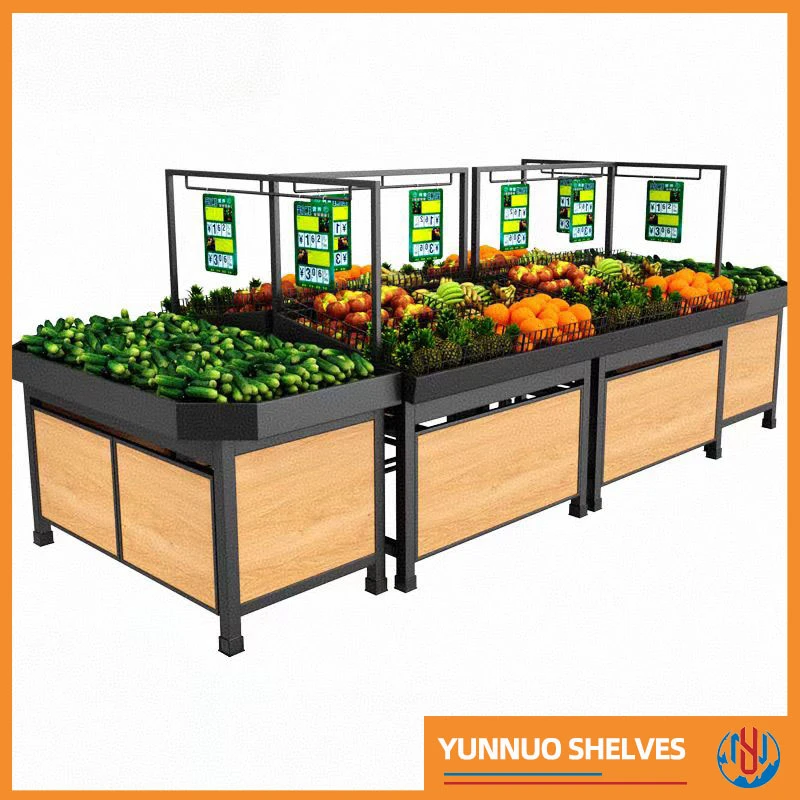
One thing to note about spinach is that it's more prone to wilting than some other leafy greens. To extend its shelf life, you can cover the spinach with a damp paper towel. The moisture from the paper towel will help keep the spinach hydrated without making it too wet. Just make sure to change the paper towel every couple of days to prevent mold growth.
If you have a 2 tier onion basket, you can place the spinach on one of the tiers. The basket design allows for good air circulation while keeping the spinach somewhat contained.
Kale
Kale is a tough and nutrient - dense leafy green. When storing kale on a vegetable rack, you don't need to be as gentle as with lettuce or spinach. Wash the kale leaves and dry them well. You can leave the kale on the stem and hang it upside down on the vegetable rack if your rack has hooks or a place to hang things. This allows the air to circulate around the leaves from all sides.
If you prefer to remove the kale leaves from the stem, you can stack them loosely on the rack. Kale can tolerate a bit more air exposure, so it doesn't need to be covered as much as spinach. Just make sure to check it regularly for any signs of yellowing or wilting.
Swiss Chard
Swiss chard has large, colorful leaves and a thick stem. Wash the chard and dry it completely. You can separate the leaves from the stems if you want, but it's not necessary. Place the Swiss chard on the vegetable rack, making sure the stems are supported.
Swiss chard can be a bit heavy, so if you're using a tiered rack, it's best to place it on the bottom tier to avoid overloading the upper tiers. Keep the chard away from other vegetables that might release ethylene gas, such as apples and bananas, as ethylene can cause the chard to spoil faster.
General Tips for Storing Leafy Vegetables on a Vegetable Rack
- Keep it clean: Regularly clean your vegetable rack to prevent the buildup of dirt, mold, and bacteria. You can use a mild soap and water solution to wipe down the rack, and then dry it thoroughly before putting the vegetables back on.
- Check regularly: Check your leafy vegetables every day or two for any signs of spoilage. Remove any wilted or damaged leaves immediately to prevent the spread of mold to the other vegetables.
- Don't overcrowd: Make sure there's enough space between the vegetables on the rack. Overcrowding can restrict air circulation and lead to faster spoilage.
Choosing the Right Vegetable Rack
When it comes to choosing a vegetable rack, there are a few things to consider. If you have a small kitchen or only need to store a small amount of leafy vegetables, a 1 Tier Vegetable Rack might be sufficient. It's simple, compact, and easy to place on a countertop or in a pantry.
On the other hand, if you have a larger family or like to buy vegetables in bulk, a 2 tier onion basket or a multi - tiered rack could be a better option. These racks offer more storage space and allow you to organize different types of vegetables on different tiers.
The material of the rack is also important. Look for a rack made of a durable and easy - to - clean material, such as stainless steel or plastic. Stainless steel racks are sturdy and resistant to rust, while plastic racks are lightweight and often more affordable.
Conclusion
Storing leafy vegetables on a vegetable rack is a great way to keep them fresh and organized. By following these tips, you can extend the shelf life of your leafy greens and reduce food waste. Whether you're a busy home cook or a professional chef, a good vegetable rack can make a big difference in the quality of your vegetables.
If you're interested in purchasing a vegetable rack for your home or business, I'd love to talk to you. We offer a wide range of high - quality vegetable racks that are designed to meet your specific needs. Contact us to start a conversation about your vegetable storage requirements and let's find the perfect rack for you.
References
- "The Complete Guide to Vegetable Storage" by The Old Farmer's Almanac
- "Storing Fresh Produce" by the United States Department of Agriculture